
Restore performance in rising mains.
Remove accumulated solids, recover capacity and improve pumping efficiency.


Rising mains can accumulate material that normal operation does not remove.
Low points, changes in velocity and long operating periods can allow grit, sediment, fats and other solids to build up. The result can be a smaller effective bore, increased pumping demand and less operational resilience.
Because many rising mains are unpiggable, conventional mechanical cleaning is not always available.
Why a viscous gel?
A cohesive gel can be introduced through planned access, driven through the main and recovered with entrained solids. The gel conforms to the pipe rather than requiring a rigid pigging geometry.
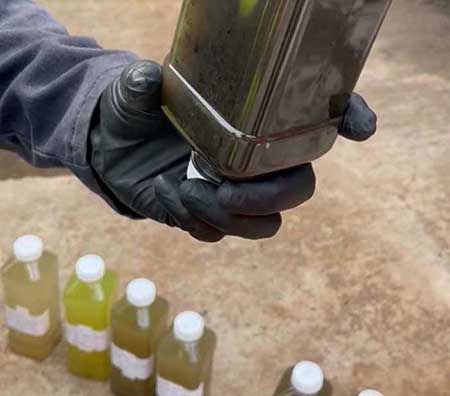
Does this sound like your rising main?
Loss of self-cleansing
Operating conditions are allowing solids to settle and accumulate within the main.
Reduced pumping performance
Flow or pump performance has deteriorated and deposited material is a suspected contributor.
Known sediment build-up
Inspection, operating history or network evidence indicates accumulated solids.
Repeated incidents
Blockages, flooding, pollution risk or maintenance intervention point to a main that may benefit from cleaning.
Long or remote assets
Conventional mechanical cleaning is difficult because of length, access, diameter changes or network configuration.
Energy & asset performance
The network team wants to restore effective bore and reduce unnecessary pumping demand caused by deposits.
A planned network intervention.
The cleaning programme is developed around pumping arrangements, section length, available entry and recovery points, expected solids loading and the operator's constraints.
Survey
Understand the asset and operating condition.
Prepare
Agree isolation, access and recovery.
Inject
Introduce the specified gel volume.
Propel
Drive the gel through the main.
Recover
Capture gel and removed solids.
4.1 km rising main. Approximately 225 mm diameter.
In June 2022, Intelligent Gels completed a field trial on a rural rising main with limited access, poor pumping efficiency and known sediment deposition. The objectives included removing sediment, increasing effective bore, using effluent as the pumping medium, avoiding additional pressure loading and blockages, allowing stop/start operation and recovering the material through the treatment route.
Water Dragons competition
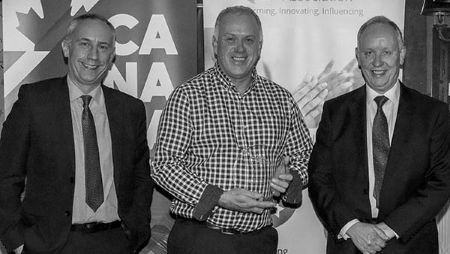
Intelligent Gels was named the 2022 Water Dragons winner by Future Water for its approach to enhancing rising-main performance and reducing pollution risk with innovative gel technology.
The judges highlighted the potential to transform how the sector manages the performance of pipes, rising mains and sewers. Recognition from an industry competition involving investors, innovators, water companies and regulators adds independent credibility to the rising-main cleaning proposition.
Is a rising main losing performance or carrying an unknown sediment load?
Share the asset data and operating history and we can start with an application review.